JAST
Info
This renovation project takes a neoclassical rowhouse as its starting point, with a brief centred not on expansion, but on unlocking the spatial potential already embedded in the existing footprint of the building.
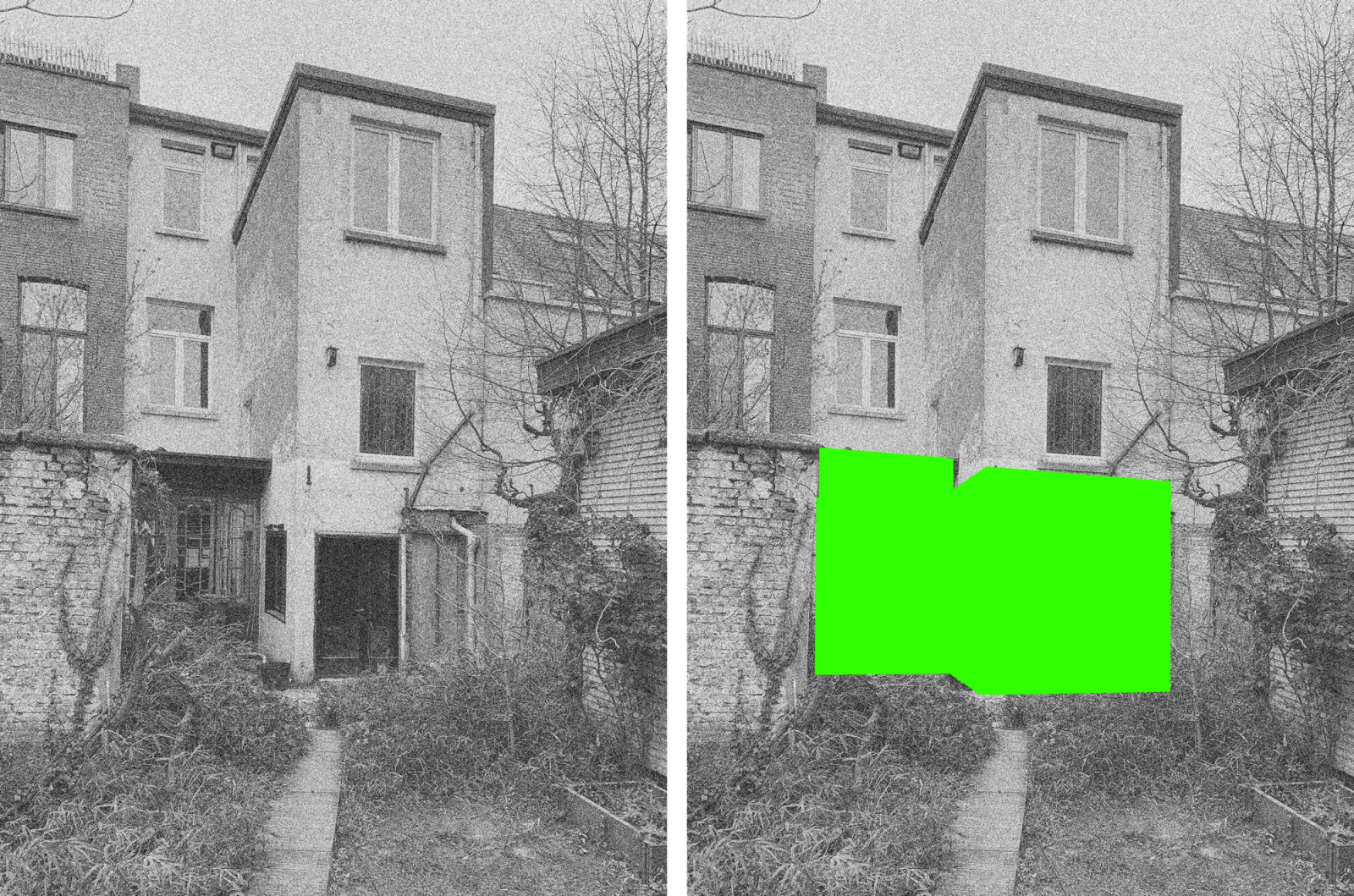
Like many older urban rowhouses, the property had accumulated a rear addition over time — typically a less considered piece of architecture. Here, that addition became the catalyst for the entire design.
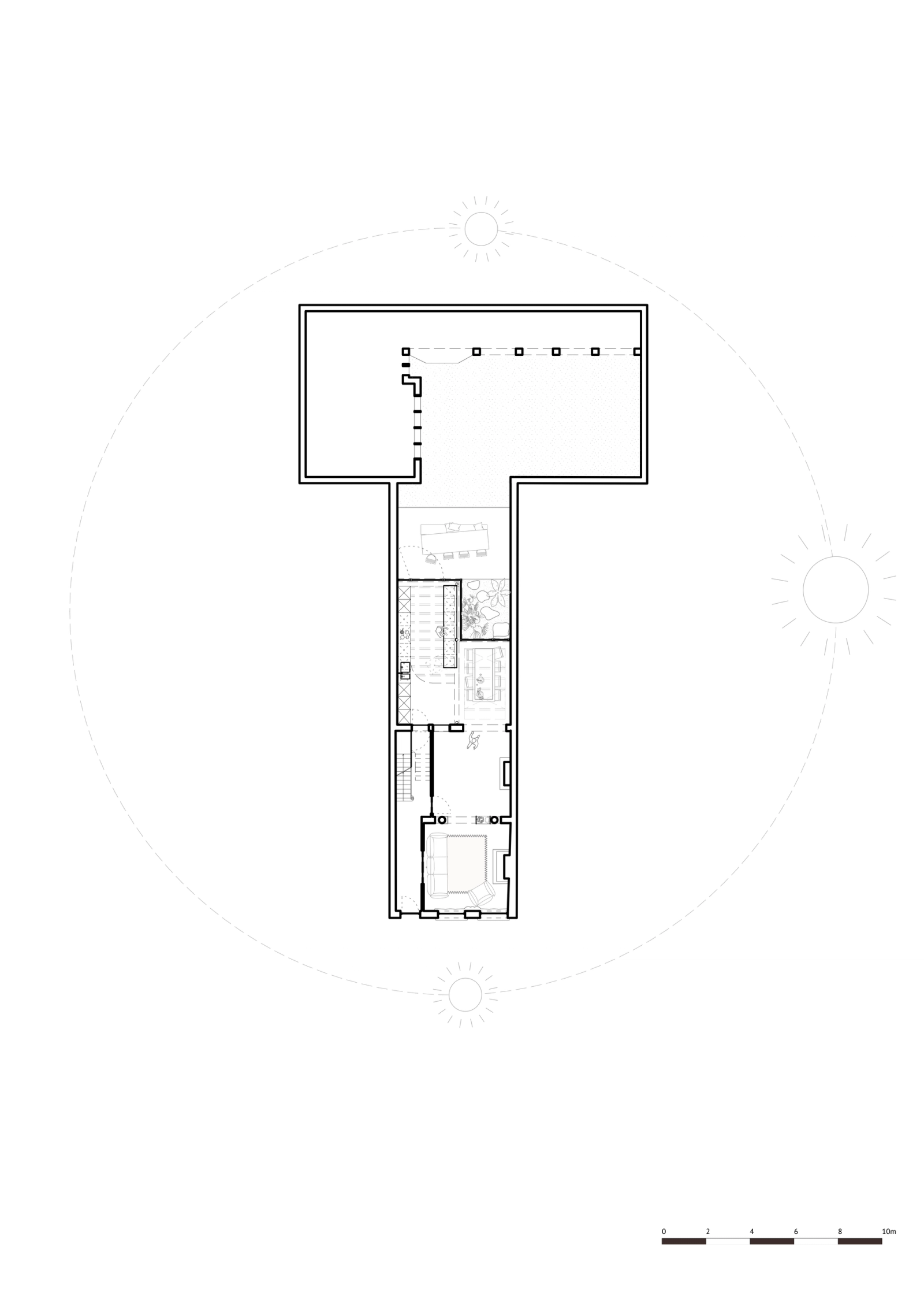
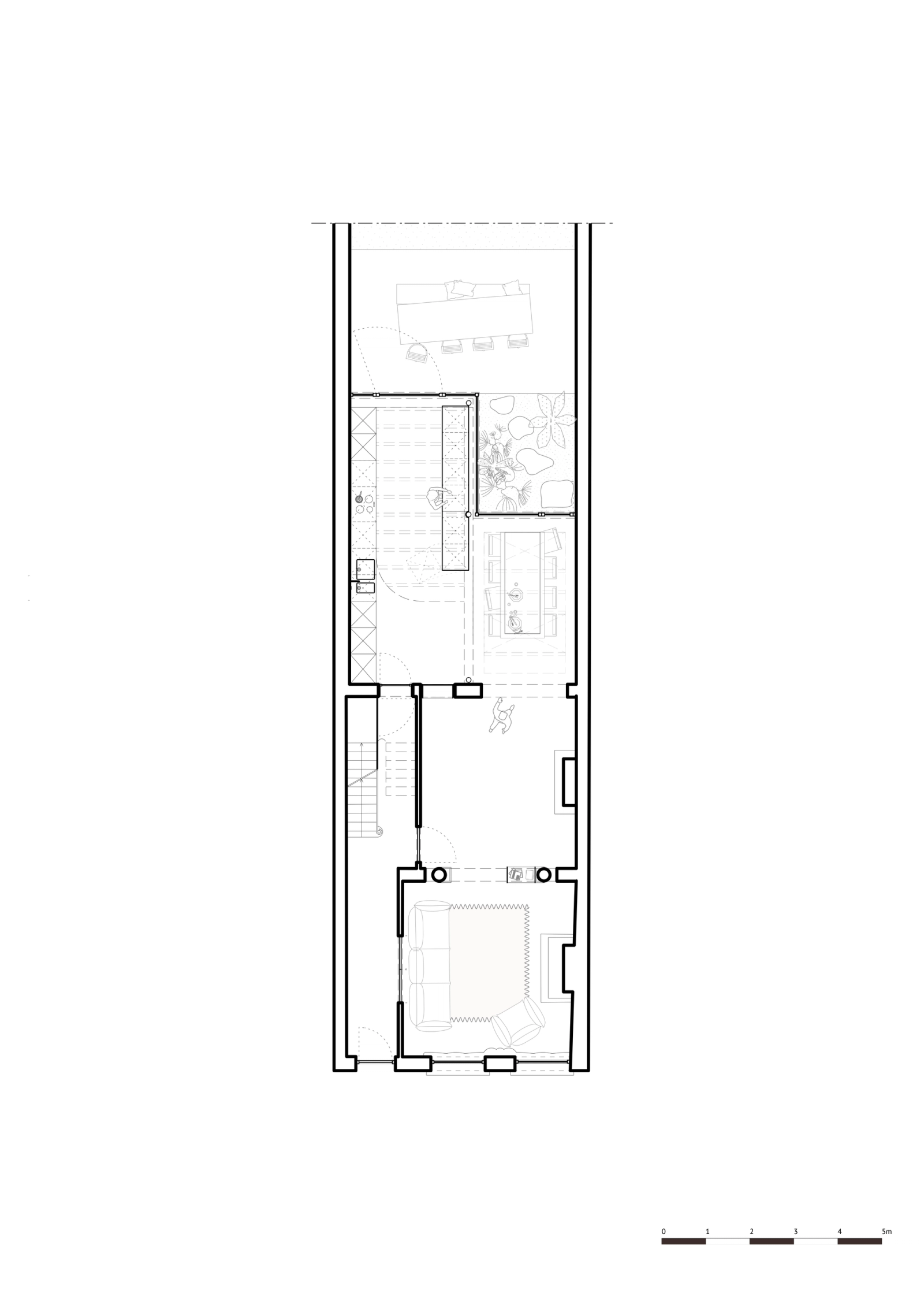
The slight angle introduced by the rear addition was not corrected but embraced as an organisational principle. It generates a quiet dynamism in the floor plan, creating unexpected depth and shifting sightlines as you move through the home — articulating the relationship between the living, dining and kitchen zones in a way a straight plan could not.
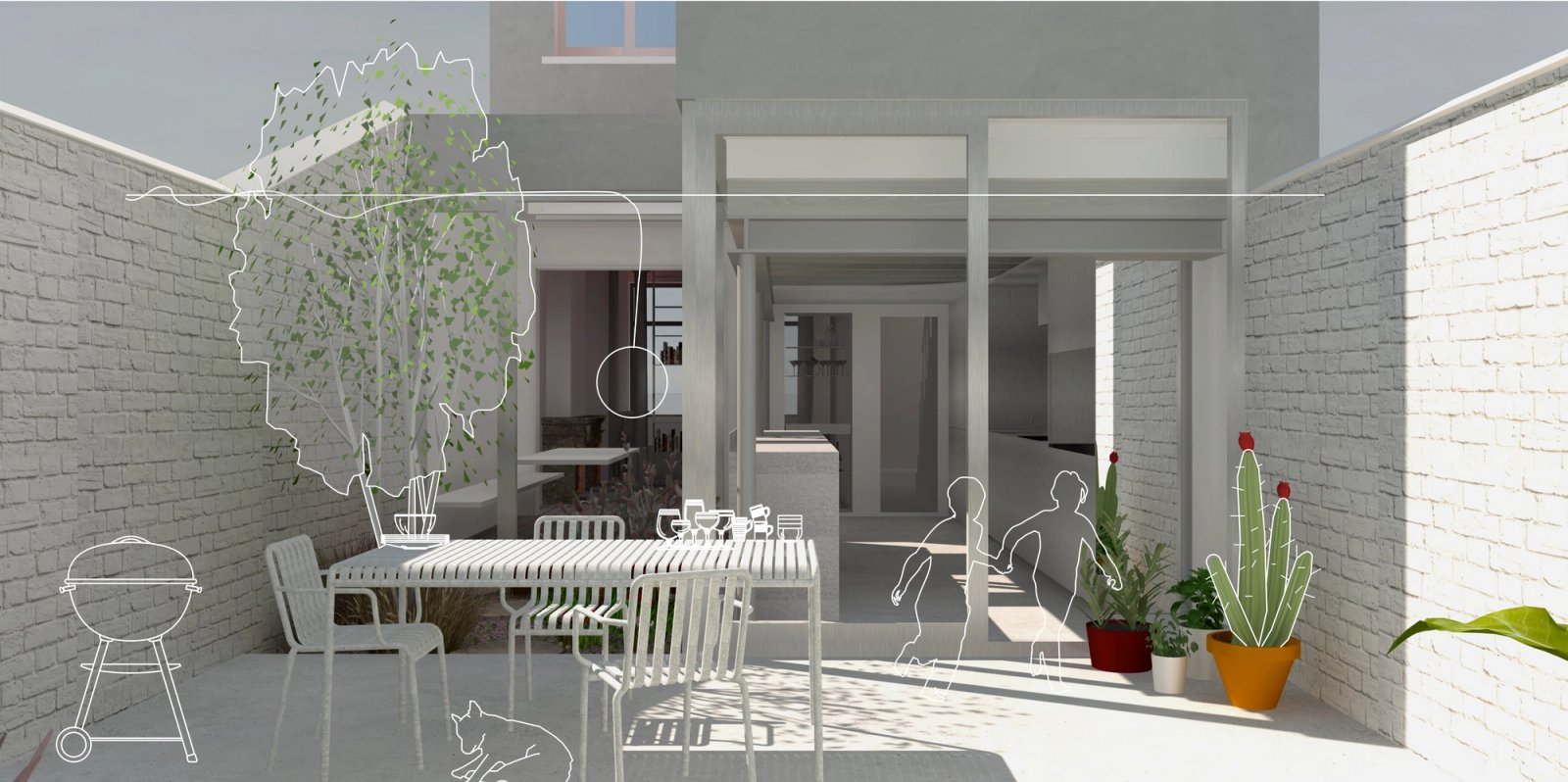
The existing rear walls were replaced by full-height glazed facades, dissolving the boundary between inside and outside and dramatically improving natural light penetration throughout the ground floor. A newly introduced steel structure — slender round columns and a spanning beam carrying the entire rear volume — made it possible to open up the plan without increasing the overall floor area. Rather than concealing this intervention, the steel becomes the architectural highlight of the project.
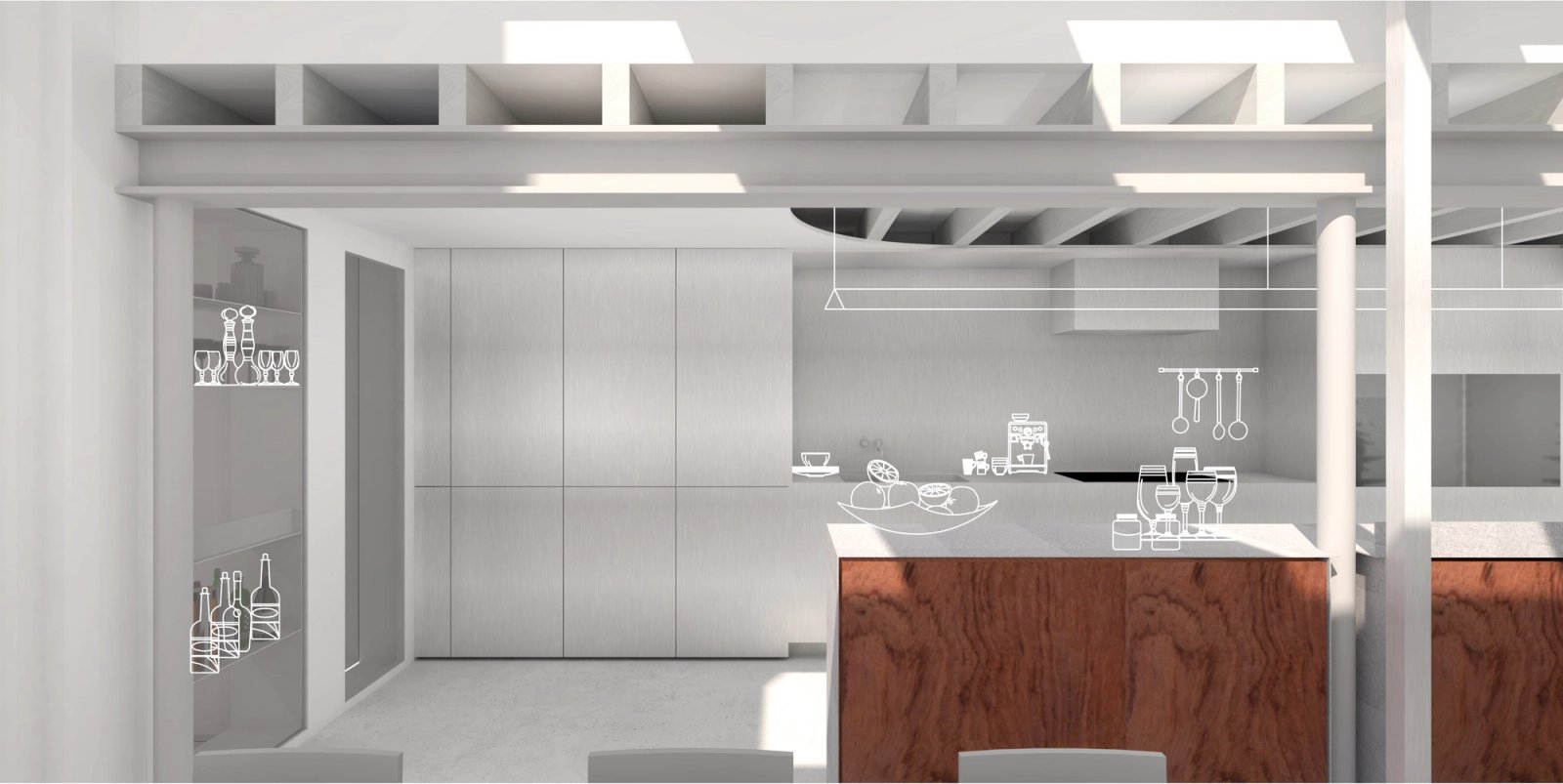
The existing timber joist ceiling is deliberately retained and exposed, grounding the new design in the history of the building. To counterbalance its relatively modest height, a palette of light tones and reflective surfaces was chosen throughout, bouncing natural light across the space and amplifying the sense of volume.
In the kitchen, the structural logic is carried through to the level of detail: the worktop features precise cutouts where the columns pass through, and the cabinetry is conceived as a system of mobile units that can slide and reposition beneath the counter. A continuous concrete floor runs uninterrupted from interior to exterior, anchoring the home to the garden and completing the spatial sequence.
Details